
7 First-Time Buyer Mistakes to Avoid in Belton New-Home Communities
Buying your first home in a new-home community can feel like stepping into a "fresh start" you've been planning for years: clean lines, modern finishes, and the promise of low maintenance for a while. But new construction comes with its own set of decisions—and a few easy missteps that can cost you comfort, time, and money. In Belton, Texas, where new-home neighborhoods range from practical starter builds to luxury master-planned living, the key is knowing what to watch for before you sign. Use the mistakes below as a pre-closing checklist you'll be glad you had.
1) Falling in love with the model home (and forgetting it's an upgraded showroom)
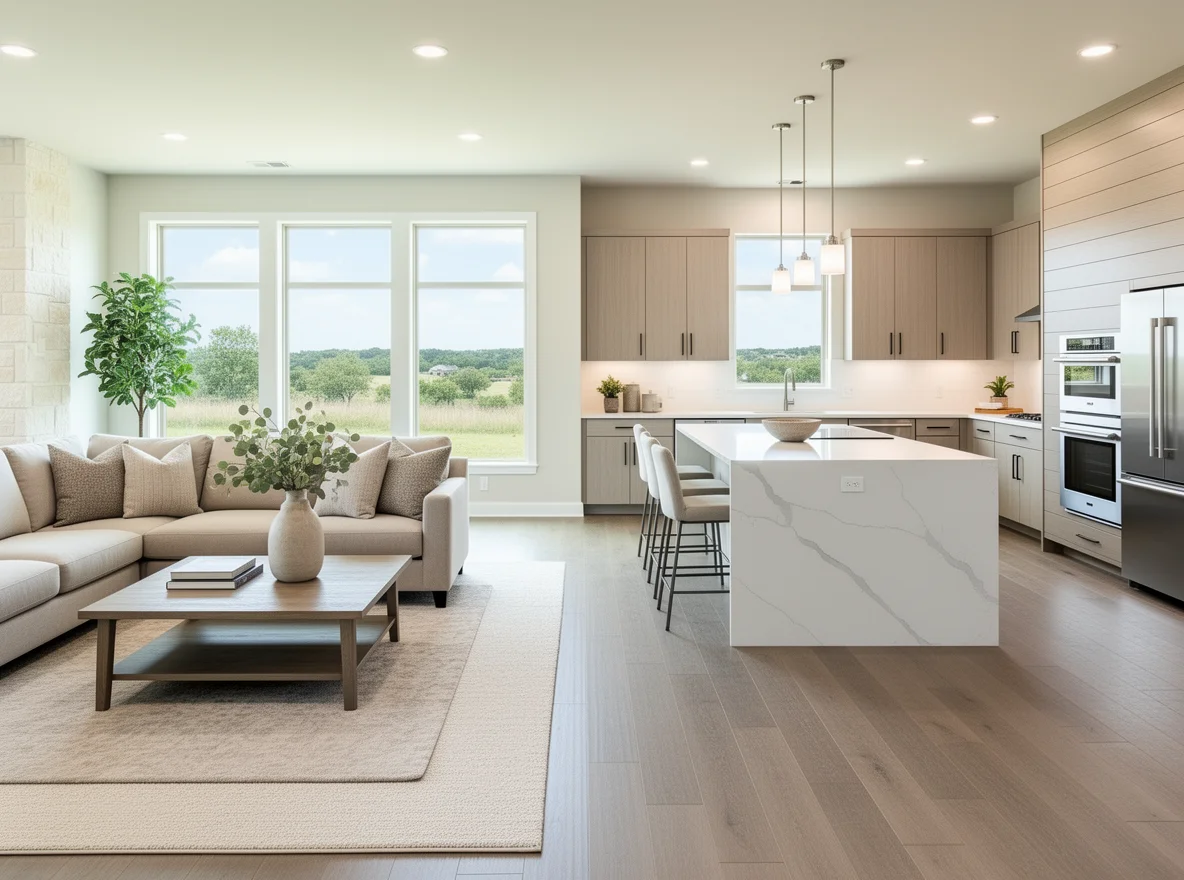
Model homes are designed to be irresistible: perfect lighting, premium flooring, designer fixtures, and furniture scaled to make rooms feel grand. The mistake is assuming what you see is what you get. Before you commit, ask for the exact spec sheet of the home you're buying and compare it line-by-line with the model. Pay special attention to flooring type, ceiling height, cabinet level, countertop material, appliance packages, and window coverings—items that can add up quickly.
Smart move: Take photos of the finishes you love, then ask the builder's rep to point out which ones are standard and which are upgrades. If you're touring multiple Belton communities in a day, those details blur fast—documentation keeps you grounded.
Also, remember that staged rooms hide practical realities. A dining table might be smaller than what you own, and oversized rugs can mask tight walkways. Measure your key furniture pieces (sofa, bed, dining table) and bring those numbers on tours so you don't accidentally buy a layout that "looks" right but lives awkwardly.
2) Not understanding builder incentives (and the trade-offs)
Many first-time buyers focus on the headline incentive—rate buydown, closing cost credit, or upgrade allowance—without reading the fine print. Builder incentives can be genuinely valuable, but they often require using a preferred lender or title company, and sometimes the base price or upgrade pricing is adjusted behind the scenes to fund the offer.
What to do instead: Request written loan estimates from the builder's lender and at least one outside lender on the same day, using the same assumptions (credit score range, down payment, property taxes, HOA estimates). Compare APR, fees, and cash-to-close—not just the interest rate. In fast-growing Central Texas markets, a "great rate" that comes with heavier fees may not be the deal it appears to be.
3) Skipping an independent inspection (because "it's brand new")
New homes can have issues—sometimes small, sometimes significant—because construction is a complex process with many subcontractors. An independent inspector is your quality-control partner, and they're working for you, not the builder. The most common first-time mistake is waiting until the final walk-through, when repairs become a scramble.
Better approach: Schedule inspections in phases when possible: a pre-drywall inspection (to review framing, plumbing, electrical, HVAC rough-ins) and a final inspection before closing. If a phase inspection isn't possible, at least do a thorough final inspection with a detailed report you can submit for repairs.
4) Underestimating "monthly ownership" costs beyond the mortgage
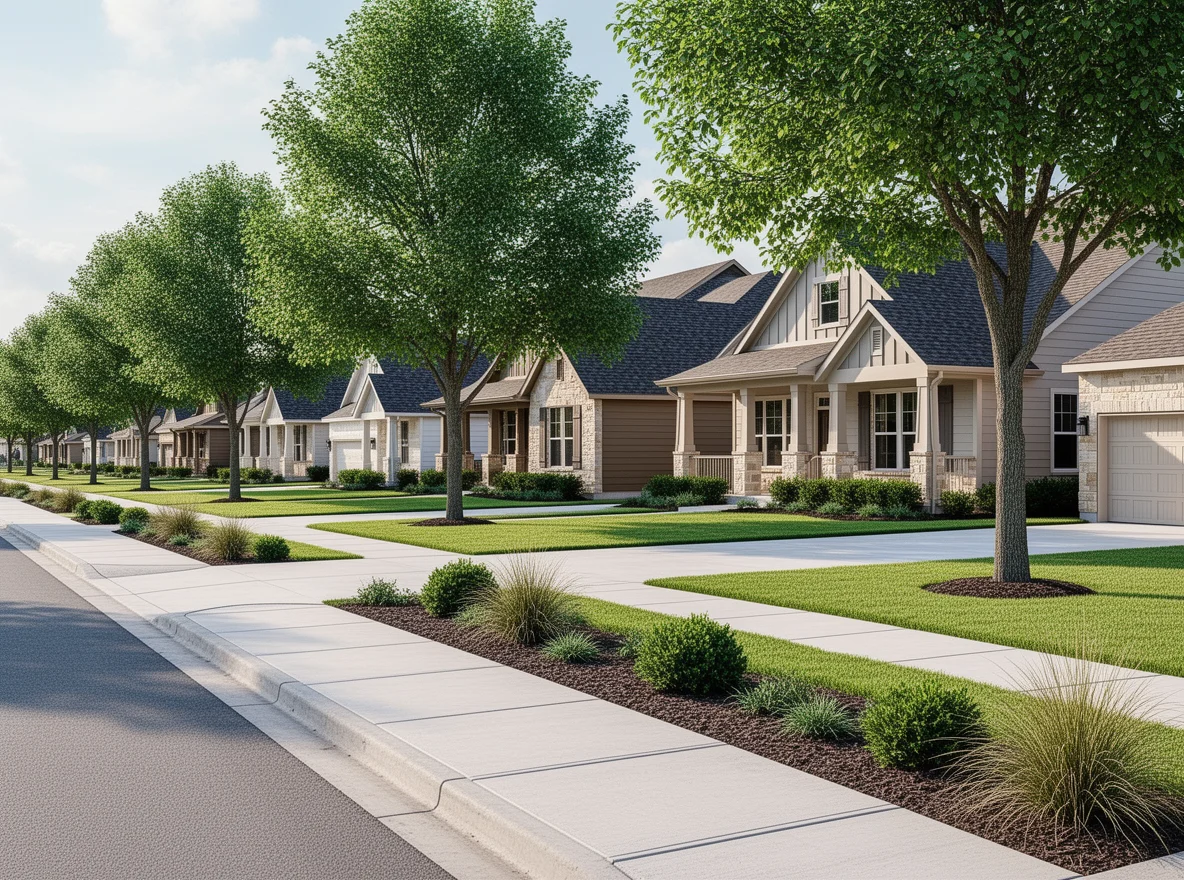
First-time buyers often run numbers based on principal and interest, then feel blindsided by the rest. In Belton new-home communities, your total monthly picture may include property taxes, homeowners insurance, HOA dues, and sometimes MUD/PID or other community-related assessments depending on the development. Even if the neighborhood feels "simple," those line items can change affordability more than a slightly higher home price.
Make sure you ask for realistic estimates of tax rates (including any special districts), HOA dues, and insurance assumptions. Texas homeowners insurance can vary widely based on coverage, wind/hail deductibles, and replacement cost estimates. If you're buying in a large-scale, amenity-rich setting, HOA dues might be higher—but can also replace costs you'd otherwise pay separately (private recreation, maintained common areas, trails, and landscaping standards).
Planning tip: Build a buffer. If your payment looks comfortable only when everything goes perfectly, you're setting yourself up for stress when taxes reset after the first year or when insurance renews at a higher premium.
5) Choosing a lot without thinking about sun, privacy, and future surroundings
A floor plan gets the spotlight, but the lot determines your day-to-day experience. A first-time mistake is picking a lot because it's "available now," without thinking about afternoon sun, backyard orientation, drainage, traffic flow, or what may be built behind you later. In Central Texas, sun exposure matters: strong afternoon heat on a west-facing backyard can change how often you use your outdoor space and how hard your HVAC works in summer.
If nature, privacy, and a quieter feel are priorities, ask what's planned for adjacent parcels and when nearby phases will be built. In master-planned communities—especially luxury acreage-style neighborhoods with an emphasis on elevated living—lot selection can be the difference between feeling tucked away and feeling exposed. Walk the lot at different times of day if you can, and stand where your patio would be. Imagine your routine: morning coffee, grilling, pets, play space, or simply quiet.
6) Over-upgrading the wrong things (and under-investing in what you can't change)
Upgrades are fun—until they become budget quicksand. First-time buyers often splurge on cosmetic items (statement lighting, fancy tile patterns) while overlooking structural choices that are expensive to change later. Think of upgrades in two buckets: "hard to change" (floor plan options, extended patio, extra windows, door sizes, kitchen layout, electrical and data outlets) and "easy to change" (paint, hardware, some fixtures).
A practical strategy is to prioritize quality-of-life and future-proofing: additional outlets in key spots, recessed lighting where you'll actually want it, and extra hose bibs or exterior outlets if you plan to use the yard. If you're considering a community with a resort-style amenity package, you may also want to choose finishes that feel cohesive with that elevated environment—timeless materials tend to age better than trendy ones.
7) Not learning the community rhythm: amenities, rules, and lifestyle fit
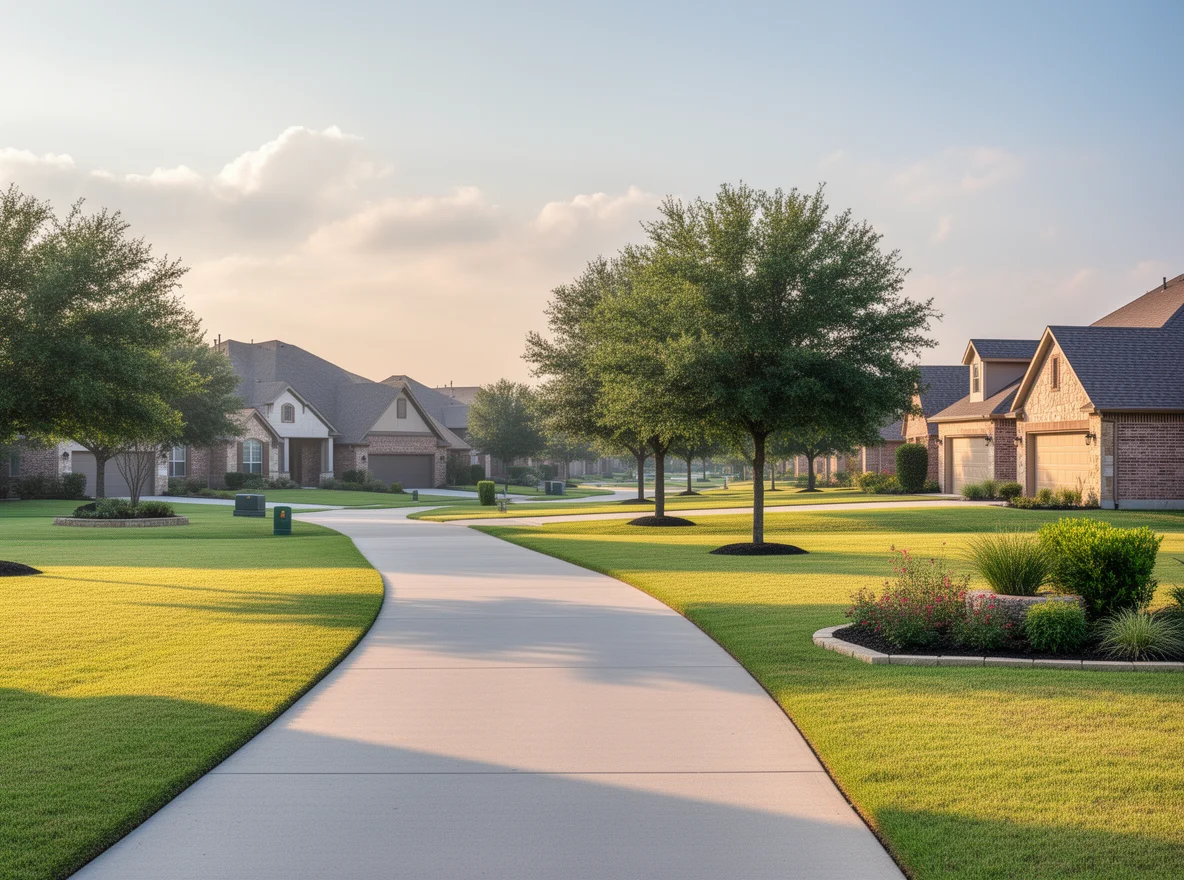
It's easy to focus on the house and forget you're also buying into a shared environment. Some new-home communities are simple and low-frills; others are designed for a resort-style routine with trails, gathering spaces, and curated common areas. If you're drawn to a large-scale, master-planned setting like Ranch at Latitude 31, the lifestyle is a major part of the value: nature-forward design, privacy-minded homesites, and an elevated sense of arrival that can make everyday life feel like a retreat.
Before you commit, review HOA guidelines, architectural standards, and any restrictions that impact how you live (fences, outbuildings, short-term rentals, parking rules, landscaping requirements). Visit at different times—weekday evening, weekend morning—to get a feel for noise levels, traffic patterns, and how residents use the amenities. If schools are a priority, map your commute times during peak hours and ask about nearby activities that match your household: youth sports, parks, libraries, and recreation around Belton Lake and the wider Central Texas corridor.
Finally, don't underestimate how dining, errands, and everyday convenience shape happiness. You want a home that feels peaceful, but also a location that supports your routine—work commute, weekend plans, and quick runs for essentials.
Closing thoughts: buy the home you'll enjoy, not just the one you can close on
First-time buying is a milestone, and new construction in Belton can be an excellent path—especially when you match the home to the lifestyle you're trying to build. Avoiding these seven mistakes comes down to slowing the process just enough to verify the details: what's standard versus upgraded, what your true monthly costs will be, how the lot will live, and how the community will feel a year from now. If you'd like a second set of eyes on a builder contract, an upgrade list, or a shortlist of Belton new-home communities that align with nature, privacy, and resort-style amenities, Ranch Latitude 31 can help you compare options with confidence.